
Home / Leasing & build-to-suit
Lease, build-to-suit or partner
Facility specifications, delivery pathway and commercial structures for manufacturers and operators taking space at the Erisha Smart Manufacturing Hub.
Step 01
Agreement execution
Step 02
Co-design & authority approvals
Step 03
Construction
Step 04
Commissioning & SOP
Target 18 months from sublease execution to start of production, subject to final design and approvals.
Delivery model
Single-point accountability
Erisha operates a master-developer-led delivery model, acting as the single point of coordination across design, approvals, infrastructure and construction. This removes the fragmented interfaces that typically delay manufacturing projects.
Build-to-suit lease
- Typical lease tenor 15–30 years
- Single master developer, campus-managed environment
- Rent structured on completed built-up area
- Master Developer: shell, structure, base MEP, campus infrastructure
- Tenant: process fit-out, equipment, internal systems
Commercial flexibility
- Milestone-linked payment structures during construction
- Upfront contributions for long-term price certainty
- Expansion options embedded within the lease
Partnership & JV options
Three ways to structure capital
Some programmes need large footprints, high upfront capex and long production ramps. For those, Erisha offers partnership-based delivery alongside leasing.
Asset / facility JV
- Shared investment in a purpose-built facility
- Long-term occupation secured through lease or operating agreement
- Capital aligned with production ramp-up
Lease with capital participation
- Tenant contributes a defined portion of construction capital
- Reduced long-term occupancy cost
- Price certainty over the lease term
Anchor-led ecosystem investment
- Anchor tenant investment supports shared infrastructure or supplier facilities
- Value returned through preferential terms or expansion rights
Facility specifications
Indicative technical profiles
Every facility is co-designed with the manufacturer so the building supports production flow, automation and logistics — not the other way around. Select a cluster.
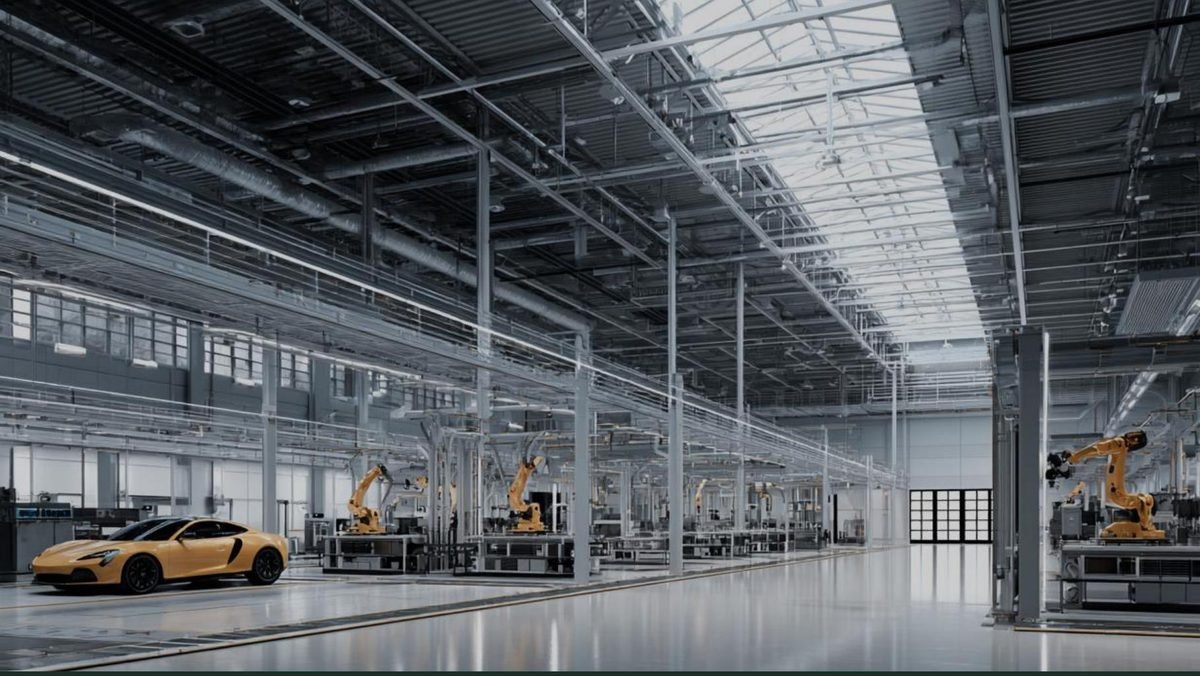
Electric & hydrogen vehicle production
Electric vehicle manufacturing is no longer a single-plant decision. It is a long-term capital and operational strategy involving production, suppliers, logistics, workforce and export access.
Designed for
- Vehicle final assembly and trim
- Battery pack and energy storage assembly
- Power electronics and e-drivetrain manufacturing
- Validation, testing and pilot production lines
| Category | OEM vehicle assembly & advanced mobility manufacturing |
|---|---|
| Typology |
|
| Clear height |
|
| Area |
|
| Structure & loading |
|
| Power & utilities |
|
| Logistics & yard |
|
| Location within campus |
|
| Delivery model |
|
| Expansion |
|
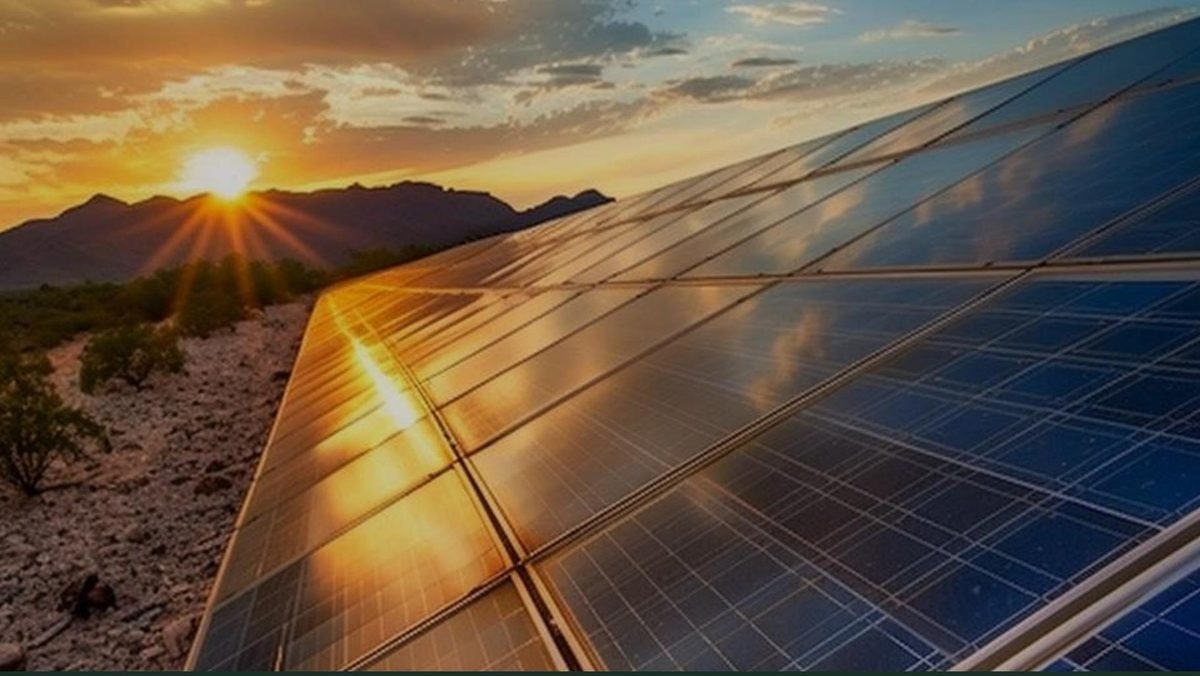
Renewable energy & clean technology
Renewable energy manufacturing is defined by high upfront capital investment, long asset lives and global supply-chain exposure. Success depends on location stability, infrastructure certainty and the ability to scale production over decades.
Designed for
- Solar module, cell and balance-of-system manufacturing
- Energy storage systems and battery assembly lines
- Power electronics, inverters and grid-integration equipment
- Hydrogen and clean-energy equipment fabrication and testing
| Category | Solar modules & components, energy storage and battery assembly, power electronics, inverters and grid equipment |
|---|---|
| Typology |
|
| Clear height |
|
| Area |
|
| Structure & loading |
|
| Power & utilities |
|
| Logistics & yard |
|
| Location within campus |
|
| Delivery model |
|
| Expansion |
|
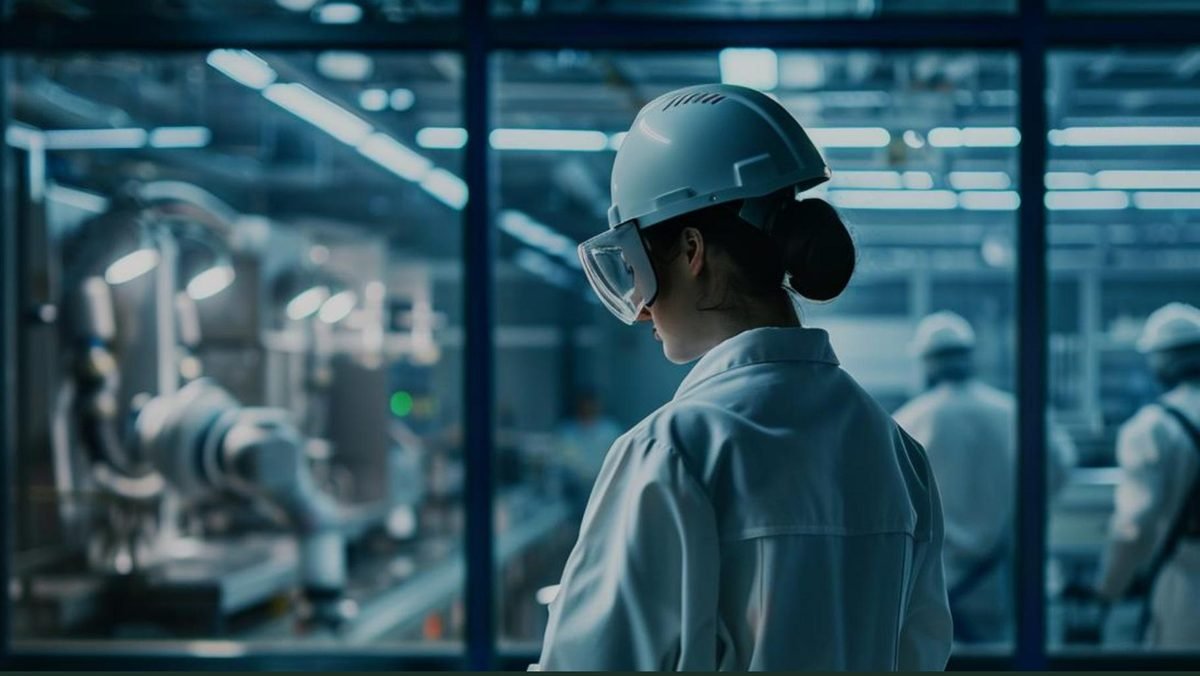
Semiconductors & advanced electronics
Semiconductor manufacturing decisions are driven by risk management — supply continuity, utility reliability, regulatory stability and long-term scalability. Erisha is structured to reduce these risks at campus level.
Designed for
- Power and compound semiconductor manufacturing
- Advanced electronics and module assembly
- Wafer processing — non-leading-edge, specialty or pilot lines
- OSAT, testing and advanced packaging operations
| Category | Semiconductor & advanced electronics manufacturing |
|---|---|
| Typology |
|
| Clear height |
|
| Area |
|
| Structure & loading |
|
| Power & utilities |
|
| Logistics & yard |
|
| Location within campus |
|
| Delivery model |
|
| Expansion |
|
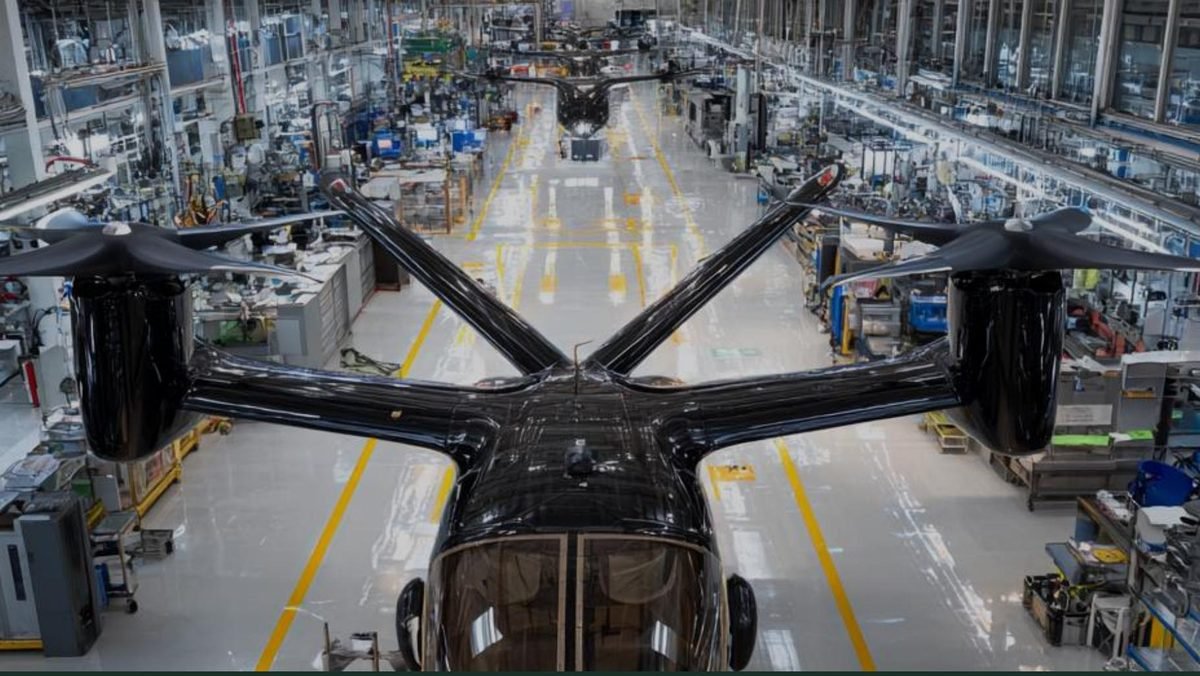
eVTOL & advanced air mobility
Advanced air mobility programmes operate under fundamentally different constraints. Erisha is designed as an aviation-ready manufacturing ecosystem, enabling OEMs and Tier-1 suppliers to move from prototype to certified production without relocating or re-permitting.
Designed for
- Airframe assembly, composite manufacturing and structures
- Electric propulsion units, motors and power electronics
- Avionics, flight-control systems and integration
- Aviation-grade battery and energy systems assembly
- Ground testing, inspection and pilot-scale production
| Category | eVTOL & advanced air mobility manufacturing |
|---|---|
| Typology |
|
| Clear height |
|
| Area |
|
| Structure & loading |
|
| Power & utilities |
|
| Logistics & yard |
|
| Location within campus |
|
| Delivery model |
|
| Expansion |
|
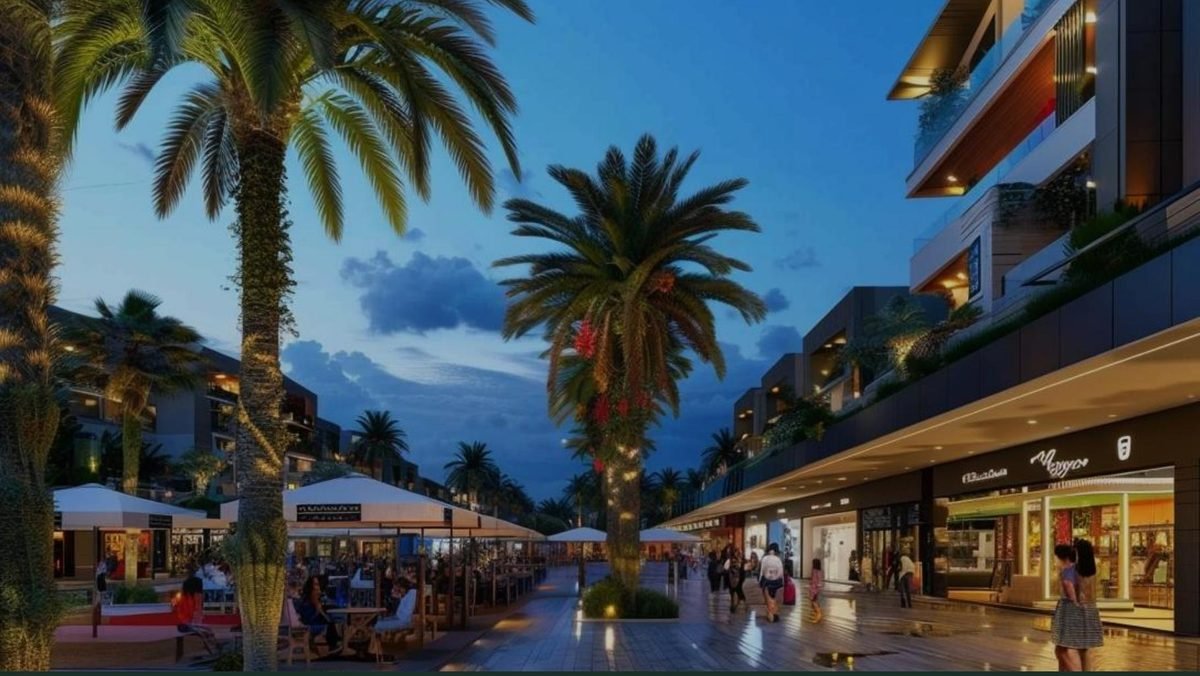
Living, retail & hospitality
Retail, residential, hospitality and F&B at Erisha are planned to serve employees, operators and visitors — not destination shoppers. The strategy prioritises convenience, efficiency and repeat demand, giving operators stable performance rather than volatility.
Operator opportunities
- Workforce residential accommodation across skilled, technical and management tiers
- Business hotels and serviced apartments
- Retail and F&B for daily workforce and visitor needs
- Education, training and technical learning facilities
- Healthcare and wellness services, primary and occupational
| Category | Campus living, hospitality & services infrastructure |
|---|---|
| Typology |
|
| Heights & massing |
|
| Area & scale |
|
| Location within campus |
|
| Delivery model |
|
| Commercial flexibility |
|
Questions
Leasing FAQ
If your question is not here, the leasing team will answer it directly.
Ask the leasing team →